

When we talk about responsible events and ESG, the conversation quickly turns to carbon. We get why. It’s measurable. It gives organisations something tangible to report on, compare and reduce. And with growing pressure to demonstrate environmental credentials, it’s become one of the defining measures of responsible event delivery.
Travel sits at the centre of that conversation because, for most events, it’s responsible for a large share of the environmental impact. It’s also one of the first things clients, internal teams and investors look at when deciding whether an event reflects an organisation’s values.
The challenge is that responsibility often gets framed as a compromise. Cut the flights. Pick the closest destination. Reduce the footprint. Job done.
But the more time we spend researching destinations for our clients, the more we find ourselves looking beyond emissions. What’s happening politically? How are local communities being affected by tourism? Can the infrastructure cope with an increase in visitors? What does accessibility look like in practice? Are there cultural or religious events taking place while the event is running? Which local suppliers are we supporting, and who benefits from the investment we’re bringing into the destination?
This is what we mean by cultural context, and it’s where the conversation starts to get much more interesting. Every destination has its own story, shaped by its history, its people, its priorities, and the realities of everyday life. Understanding that story often tells you far more about a destination than a single emissions figure ever could.
TRAVEL HAS ALWAYS BEEN ABOUT MORE THAN GETTING SOMEWHERE
Travel has never been about getting from A to B. It’s about experiencing a place, understanding its culture, and coming away with a different perspective. That’s certainly true when we travel for leisure. We rarely talk about the miles we’ve covered. We talk about the places we’ve discovered, the people we’ve met, the history we’ve learned, the food we’ve tried and the memories we’ve brought home with us.
Business travel comes under much more scrutiny, and rightly so. Organisations are asking tougher questions about whether travel is necessary, whether meetings could happen virtually and what impact those journeys create. They’re important questions. But sometimes the conversation becomes so focused on emissions that there’s little room to talk about the wider value travel can create when approached thoughtfully. That’s especially true for events. They aren’t simply about moving people from one place to another. They’re about bringing people together, building relationships, creating understanding, and giving people the chance to experience a place rather than simply passing through it. Carbon absolutely deserves a place in that conversation. But it doesn’t need to be the whole conversation.
RESPONSIBLE EVENTS ARE ABOUT MORE THAN ENVIRONMENTAL IMPACT
ESG stands for Environmental, Social and Governance. Most people naturally focus on the environmental bit, but it was never designed to stop there.
It’s also about people, governance and the way organisations show up in different parts of the world. Events are a great example because they never happen in isolation. For a few days, they become part of a local economy. They rely on local businesses and communities, and they leave an impression long after attendees have gone home. That means the decisions made long before anyone boards a plane can shape an event’s impact just as much as the journey itself.
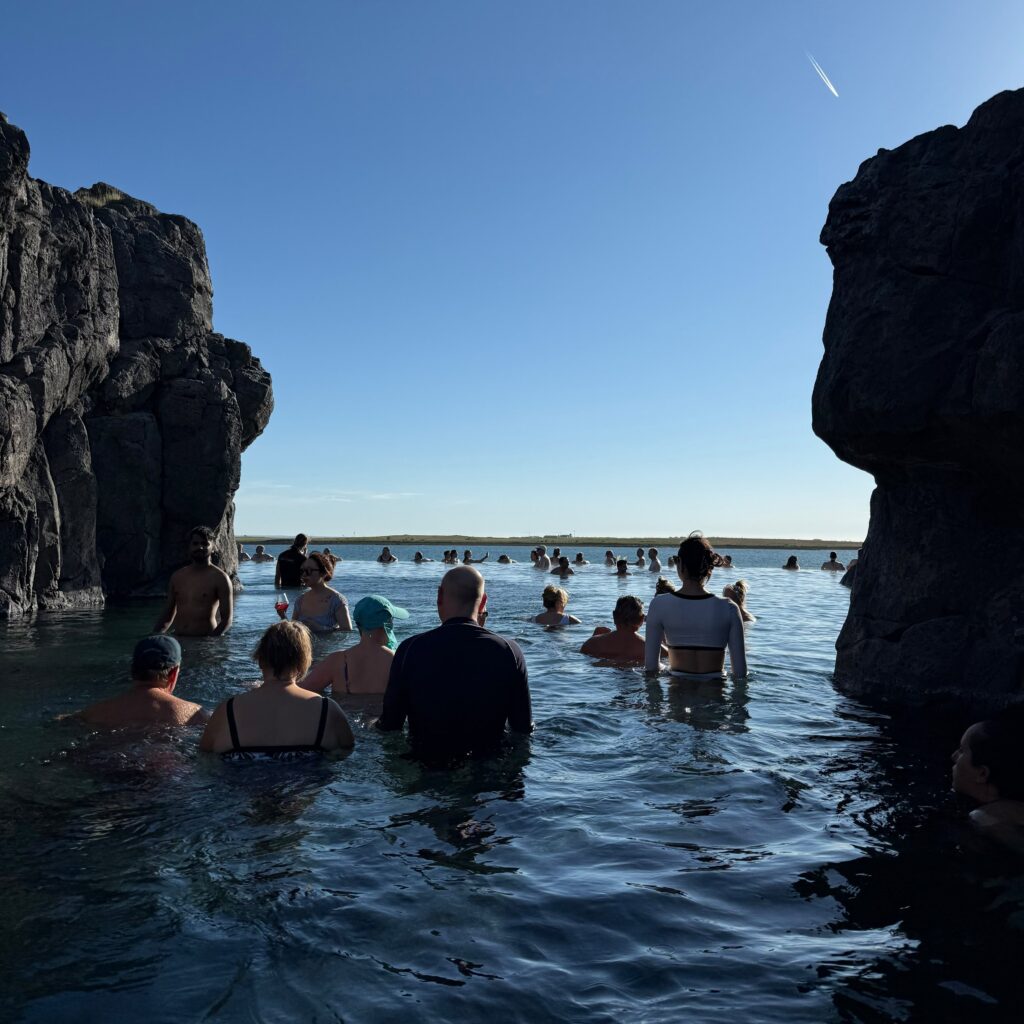
Take Iceland as an example. Tourism has grown significantly over the past decade, bringing clear economic opportunities alongside new pressures on infrastructure, conservation, and local communities. At the same time, the country generates almost all its electricity from renewable sources, ranks highly for gender equality, and has strong social welfare systems. From an ESG perspective, there’s a lot to admire.
But headline sustainability statistics only tell part of the story. Understanding the local context matters just as much. Iceland has deep-rooted whaling traditions, for example, and it’s perfectly possible for whale-watching tours and whaling boats to leave from the same harbour. For visitors who aren’t expecting that, it can come as quite a surprise.
That’s why cultural context has become such an important part of how we plan events. It sits alongside environmental data, helping us understand not just a destination’s sustainability credentials, but the people who live there, the challenges it’s navigating and the values that shape everyday life. Those things rarely appear in a sustainability report, but they can tell you just as much about whether a destination is the right fit.
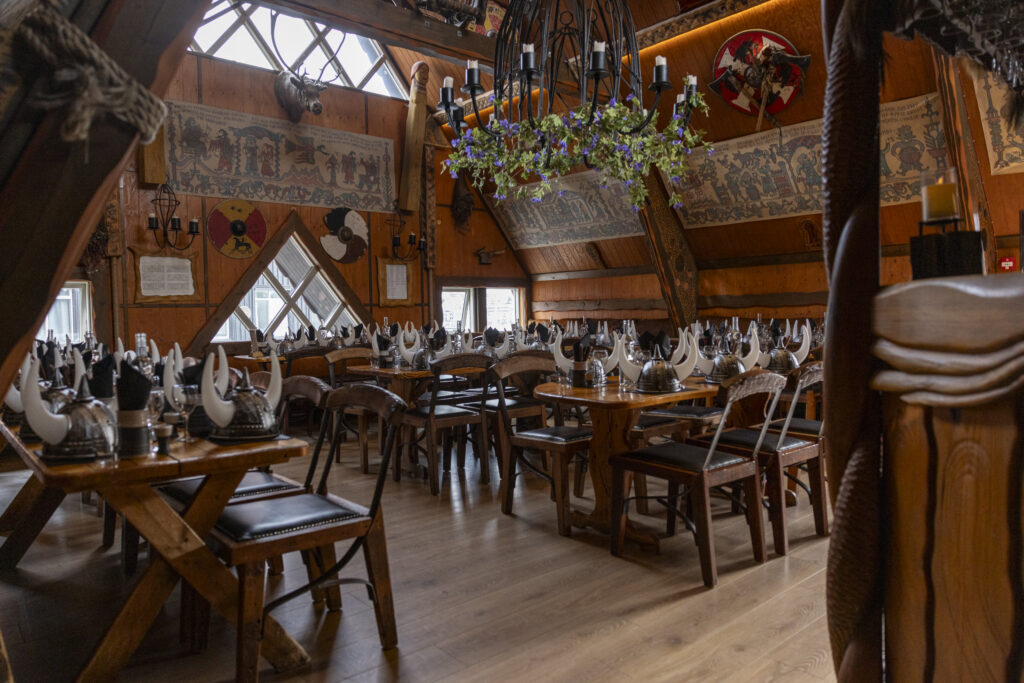
Take Iceland’s stories of the Huldufólk, or hidden people. In some areas, these traditions remain influential enough that roads have been rerouted around lava formations rather than disturbing them. Whether viewed as folklore or belief, they’re part of the country’s cultural identity. Understanding stories like these doesn’t change where we’d hold an event, but it does change how we help delegates experience the destination. It creates opportunities to build richer storytelling and more meaningful local connections into the event itself.
The same applies to environmental challenges. The places most affected by climate change are often those with the fewest resources to respond, reminding us that no destination can be judged by a carbon calculation alone. Every destination has its own strengths, challenges, and context. Looking beyond environmental data helps us understand those differences, make more informed recommendations, and choose destinations that genuinely align with an event’s objectives and values.
SO, HOW DO WE IMPLEMENT CULTURAL CONTEXT?
When we talk about cultural context, we’re not talking about learning a few local phrases or reading up on dining etiquette before a trip. We’re talking about understanding the bigger picture: the political environment, social dynamics, economic realities, public sentiment, environmental pressures, infrastructure, accessibility, and local priorities that shape everyday life in the places we’re planning to visit.
Our research starts by asking questions that don’t appear in most destination guides or ESG reports. We use sources such as the UN Sustainable Development Goals dashboards, OECD country data, the World Bank, and the Organised Crime Index to build a more complete picture of a destination. We ask questions like:
- Are elections approaching?
- Has critical infrastructure been disrupted recently?
- What does accessibility look like in practice rather than on paper?
- How visible and supported are LGBTQ+ communities?
- How is tourism affecting local housing or public services?
- What’s happening economically that people should understand before they arrive?
None of those answers automatically make a destination a good or bad choice. Together, they give us the context we need to advise clients with confidence.
A recent incentive trip to Reykjavík is a good example. Rather than booking a commercial entertainment company, our research led us to a local community folk dance group with almost no online presence. It meant translating Icelandic websites, searching community pages and social media, and eventually reaching out to a local folklorist. It took time, but the result was delegates taking part in a genuine community celebration rather than watching a performance designed for tourists. More importantly, more of the investment stayed within the local community.
Experiences like that don’t happen by accident. They take time to build relationships, look beyond established supplier networks, and explore what makes a destination unique. That extra effort doesn’t replace sustainability data or practical planning, it complements them. It helps us understand not just where an event could take place, but how delegates can experience a destination in a more meaningful way. That’s why giving yourself enough planning time can unlock opportunities that simply aren’t possible when decisions are made at the last minute.
Costa Rica is another good example. It’s often seen as an environmentally responsible destination, and for good reason. But that doesn’t automatically make it the right choice for every event. Sometimes those environmental strengths outweigh the additional travel involved. Other times they don’t. It depends on the event, the delegates, and the wider context. That’s where cultural context becomes so valuable. It doesn’t tell us where an event should be held. It helps us understand why, weighing up the opportunities and trade-offs to make the most informed decision possible.

CULTURAL CONTEXT HELPS US SEE THE WHOLE PICTURE
Responsible event planning starts with understanding cultural context. It isn’t about finding a destination that ticks every sustainability box because, in reality, no such place exists. Every event involves trade-offs. Accessibility, budgets, event objectives, delegate travel, local economic impact, infrastructure, and cultural considerations all have a role to play. The goal of ESG isn’t perfection. It’s making informed decisions that genuinely reflect an organisation’s values.
Reducing emissions should remain a priority, and carbon will always be an important part of that conversation. But when responsibility is reduced to carbon alone, we risk overlooking everything else that shapes an event’s impact.
Of course, every event has different budgets, timelines, and practical constraints. It isn’t always possible to build relationships with local communities or look beyond established supplier networks. Sometimes the safest and most appropriate choice is an experienced corporate supplier. Cultural context isn’t about replacing good planning or risk management. It’s about asking better questions and making the most informed decisions possible with the time and resources available.
That’s why cultural context has become such an important part of how we work. It helps us recommend destinations with a deeper understanding of the place, the people, and the purpose behind every event. Because responsible event planning is about more than reducing impact. It’s about understanding where you’re going, who you’re engaging with and how your decisions shape the places you visit. That’s why we believe cultural context should be part of every event conversation.


